History of Glen Echo (05-12)
Historical narrative
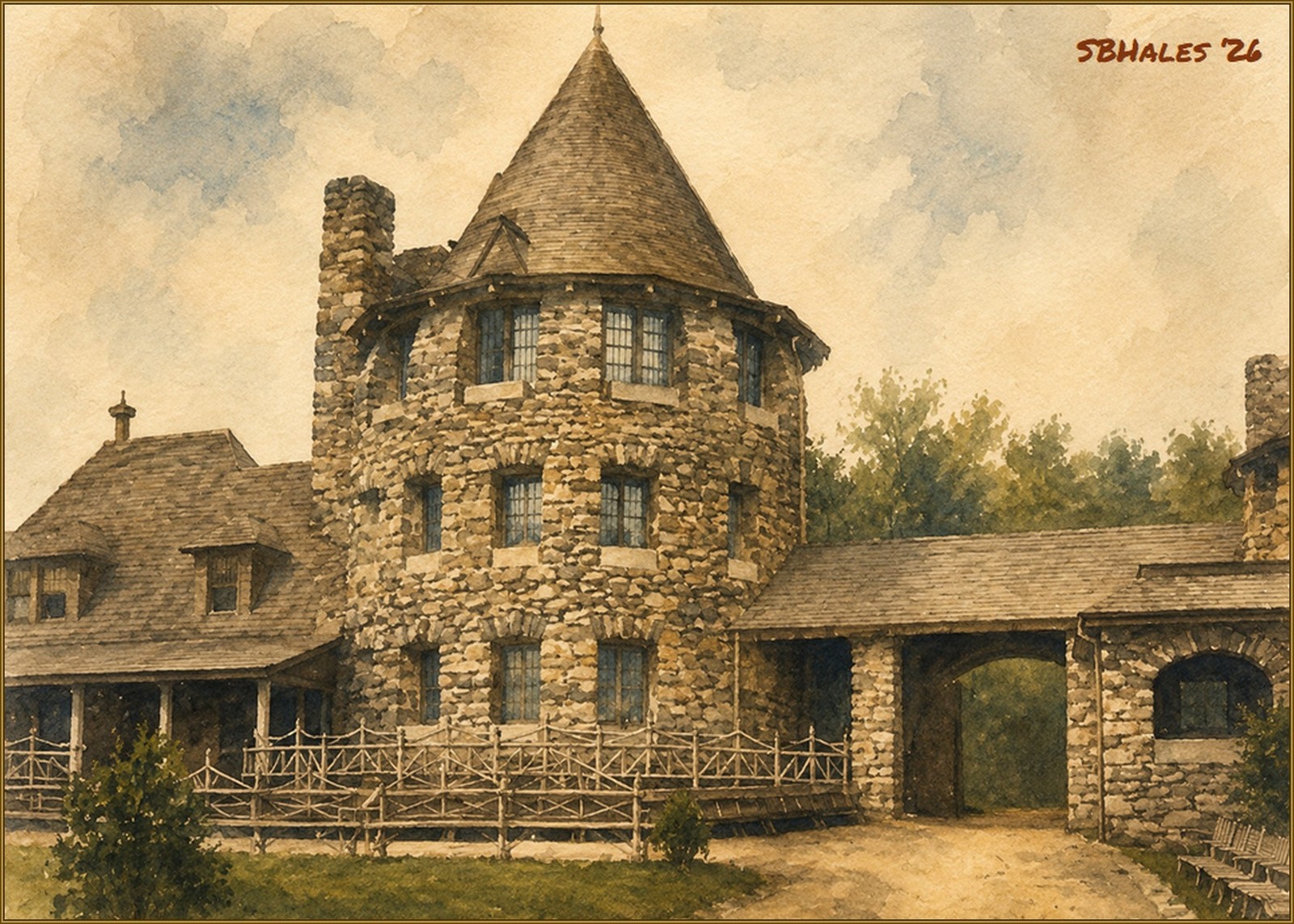
Glen Echo Park's story began with the lowly eggbeater. That's right. Edwin Baltzley invented the device and, with his brother Edward, used the proceeds to embark on a real estate development venture, purchasing just over 500 acres along the Potomac River in 1888 to create a scenic residential community. Seeking to establish a citadel of culture, they partnered with the Chautauqua movement, incorporating the National Chautauqua of Glen Echo in 1891. They built rustic stone structures, an 8,000-seat amphitheater, and a connecting railroad to Washington, DC. The highly successful first season brought thousands of visitors, but a malarial fever scare in 1892 abruptly ended the Chautauqua program. By the late 1890s, the site began its transformation into Glen Echo Amusement Park, which eventually became a premier regional attraction featuring the Spanish Ballroom and the historic 1921 Dentzel carousel. Beginning in 1960, civil rights protests challenged the park's segregation policy, and the park opened on an integrated basis in 1961. Changing recreational tastes and declining attendance contributed to its closure in 1968. The federal government acquired the property in 1970, and the National Park Service began public programming in 1971, helping revive Glen Echo's original educational and cultural mission.
Watercolor
© Stephen B. Hales — All Rights Reserved